
How to Operate PLC Machine?
2023-04-26

Programmable Logic Controllers (PLCs) are widely used in industrial automation to control various processes, equipment, and systems, thanks to their reliability, precision, and adaptability. Learning how to operate a PLC machine is essential for technicians, engineers, and operators working with automated systems. This article provides an overview of the basic steps to operate a PLC machine, including PLC programming, hardware configuration, and monitoring the system.

1. Understanding the PLC System Components
Before you can begin to operate a PLC machine, it's crucial to familiarize yourself with the key components of a PLC system:
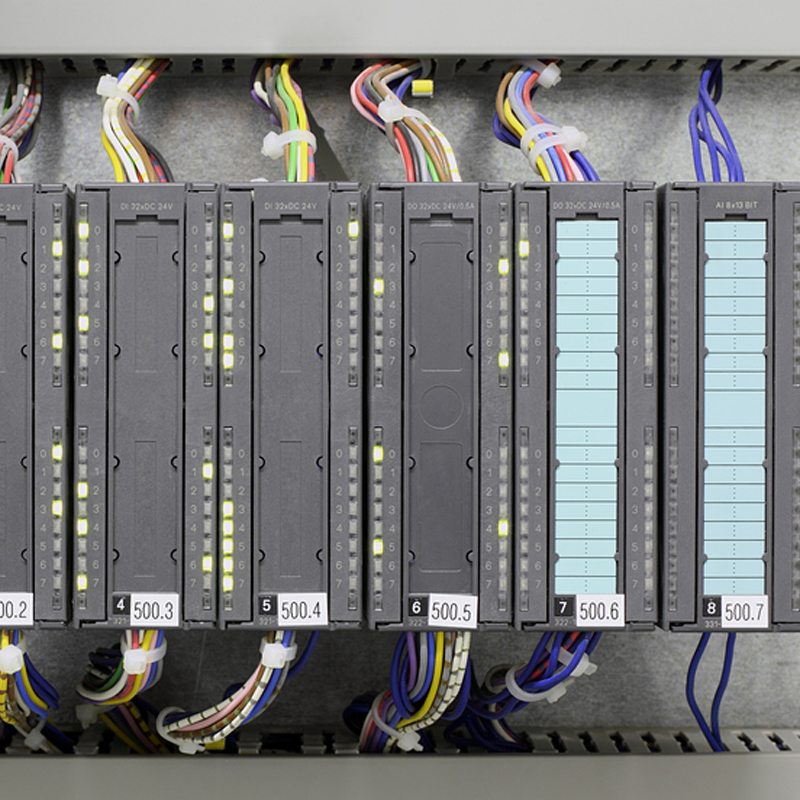
- PLC Controller: The "brain" of the system; responsible for executing control programs and providing CPU processing, memory, and input/output (I/O) capabilities.
- I/O Modules: Devices that interact with external equipment, such as sensors, actuators, and switches, converting real-world signals to electrical signals that the PLC can process.
- Human-Machine Interface (HMI): A device or software that allows users to interact with, monitor, and control the PLC system.
- Communication Modules: Devices that facilitate communication among various components, subsystems, or other external devices, following industrial communication protocols.
- I/O Modules: Devices that interact with external equipment, such as sensors, actuators, and switches, converting real-world signals to electrical signals that the PLC can process.
- Human-Machine Interface (HMI): A device or software that allows users to interact with, monitor, and control the PLC system.
- Communication Modules: Devices that facilitate communication among various components, subsystems, or other external devices, following industrial communication protocols.

2. Learning PLC Programming
To operate a PLC machine effectively, you need to understand PLC programming, which is the process of creating, editing, and troubleshooting control programs for the PLC. Some popular programming languages used in PLC programming include:
- Ladder Logic: A graphical language that resembles electrical relay diagrams, easy to learn for those with a background in electrical control systems.
- Structured Text (ST): A high-level, text-based language similar to those used in computer programming (e.g., Pascal or C).
- Function Block Diagram (FBD): A graphical language that represents control algorithms as interconnected functional blocks.
- Structured Text (ST): A high-level, text-based language similar to those used in computer programming (e.g., Pascal or C).
- Function Block Diagram (FBD): A graphical language that represents control algorithms as interconnected functional blocks.
Familiarize yourself with the programming language supported by your PLC and practice writing, debugging, and optimizing control programs.

3. Configuring PLC Hardware
The hardware configuration of your PLC machine will depend on the specific application requirements and the type of PLC system you're using. To configure the PLC hardware, follow these steps:
a. Select and install appropriate I/O modules for your specific input and output devices, such as sensors, actuators, or communication devices.
b. Wire the I/O devices to the I/O modules, following the manufacturer's wiring diagram and recommended practices.
c. Configure HMI and communication interfaces to establish connectivity between the PLC, HMI, and other devices in the network.
b. Wire the I/O devices to the I/O modules, following the manufacturer's wiring diagram and recommended practices.
c. Configure HMI and communication interfaces to establish connectivity between the PLC, HMI, and other devices in the network.

4. Uploading and Monitoring the PLC Program
After writing and testing your PLC program, you must upload it to the PLC controller to start the control process. Use the PLC software and the communication interface (serial, Ethernet, or USB) to upload the program.
Once the program is uploaded, use HMI devices, PC-based software, or other monitoring tools to visualize system performance, monitor parameter values, and detect potential problems.

5. Operating and Troubleshooting the PLC
When operating a PLC machine, users should closely monitor system performance and status, ensuring smooth functioning and responding to potential issues promptly. Familiarize yourself with the PLC's diagnostic capabilities, fault codes, and troubleshooting procedures provided by the manufacturer.

Conclusion
Operating a PLC machine requires a solid understanding of PLC system components, programming languages, and hardware configuration. By learning and practicing these skills, you can effectively monitor and control industrial automation processes, integrations, and other aspects of a PLC machine. Furthermore, ongoing professional development, staying up-to-date with industry trends, and hands-on experience will significantly enhance your ability to operate and troubleshoot PLC machines in a wide range of applications.
 About the classification, application and development of PLC
  There is a problem with PLC, how to quickly find the cause?
  How many communication methods does Siemens PLC have?
  Siemens PLC S7-300 has communication failure and remote maintenance method
  What are the series and characteristics of Siemens PLC
  Summary of Siemens PLC selection method 2
  Summary of Siemens PLC selection method 1
  What Applications Would You Use PLCs? - Exploring the Widespread Use of Programmable Logic Controllers
  Is PLC Used in Robotics? - Understanding the Role of PLCs in Robotics
  Is PLC Programming Hard? - A Comprehensive Guide to PLC Programming
  What is a PLC in Business?
  What is a PLC Used For?
  What is a Ladder Diagram in PLC?
  Why Doesn't Smart Switch Work on My PLC?
 - Why are PLC Installed Inside an Enclosure?
 Why Are Logical Racks Used in PLC?
  Why There is a Need of PLC in Industry
  Why the PLC is Important
  Why Some PLC Use Only the Basic Additions
  Why Scaling is Done in PLC